Tree Trunk Removal in Calvert County, MD
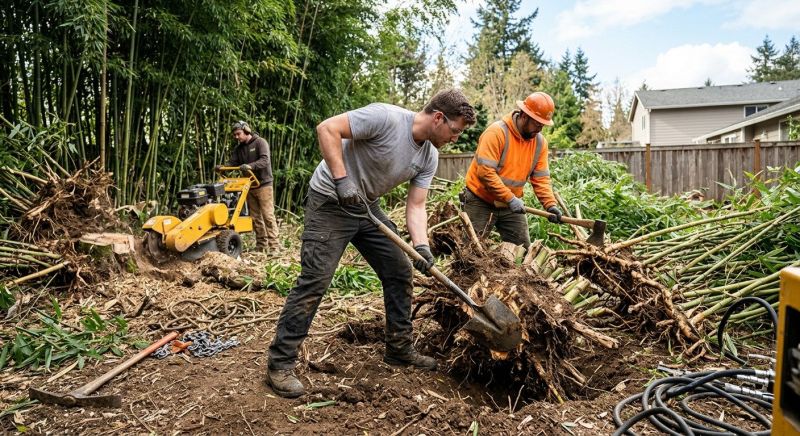
Tree trunk removal services involve the complete extraction of a tree’s main stem, typically following a tree’s removal or when a trunk poses a safety concern. These projects often include removing dead, damaged, or hazardous trunks, clearing space for new landscaping, or addressing trees that have become structurally compromised. Property owners usually seek this service to eliminate obstructions, prevent potential damage to structures or power lines, and improve the safety and appearance of their outdoor space.
Before requesting tree trunk removal, property owners should consider the location of the trunk in relation to structures, fences, or utility lines, as well as the size and condition of the trunk. Understanding the scope of the project, including whether stump grinding or root removal is also needed, can help ensure the work aligns with property management goals. Clear communication about these details can facilitate a smooth process and help determine the most appropriate removal approach.
Many property owners in Calvert County, MD look into Tree Trunk Removal for repairs, replacements, upgrades, and appearance-related improvements.
Tree Trunk Removal Basics
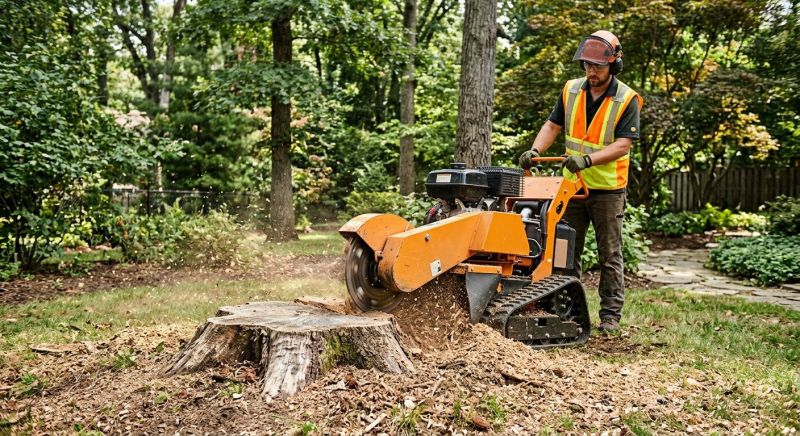
Removing large trunks helps improve safety and landscape aesthetics.
Reasons For Trunk Removal
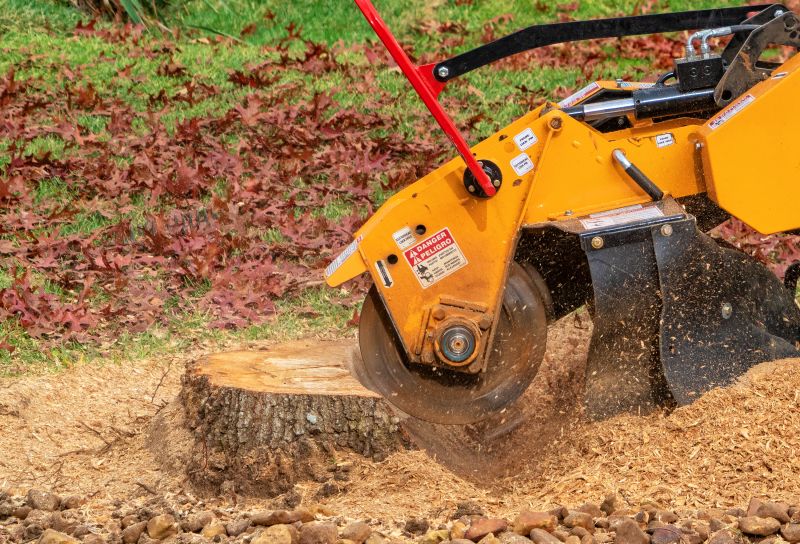
Property owners often request trunk removal after storms or for clearance.
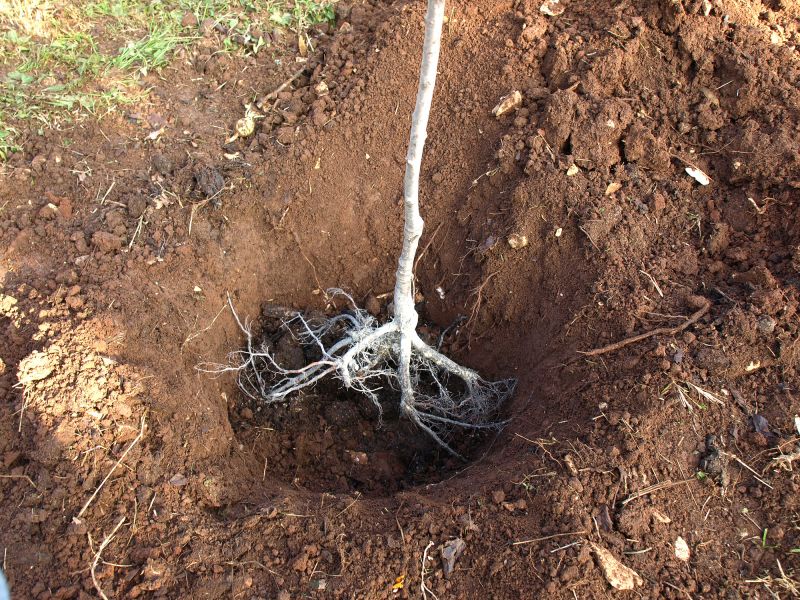
What To Expect
Professional trunk removal involves careful planning to protect surrounding areas and property.
Tree Trunk Removal in Calvert County, MD
Tree trunk removal services involve the complete extraction of a tree’s main stem, typically following a tree’s removal or when a trunk poses a safety concern. These projects often include removing dead, damaged, or hazardous trunks, clearing space for new landscaping, or addressing trees that have become structurally compromised. Property owners usually seek this service to eliminate obstructions, prevent potential damage to structures or power lines, and improve the safety and appearance of their outdoor space.
Before requesting tree trunk removal, property owners should consider the location of the trunk in relation to structures, fences, or utility lines, as well as the size and condition of the trunk. Understanding the scope of the project, including whether stump grinding or root removal is also needed, can help ensure the work aligns with property management goals. Clear communication about these details can facilitate a smooth process and help determine the most appropriate removal approach.
Many property owners in Calvert County, MD look into Tree Trunk Removal for repairs, replacements, upgrades, and appearance-related improvements.
Common Tree Trunk Removal Jobs
Tree trunk removal - removes damaged or dead trunks to improve landscape health.
Storm-damaged trunk removal - clears broken or fallen trunks after severe weather events.
Overgrown trunk removal - reduces trunk size to prevent interference with structures or power lines.
Old trunk removal - eliminates aging trunks that pose safety or aesthetic concerns.
Tree thinning services - selectively removes trunks to enhance sunlight and airflow for remaining trees.
Stump and trunk cleanup - ensures debris is cleared after trunk removal for a tidy yard.
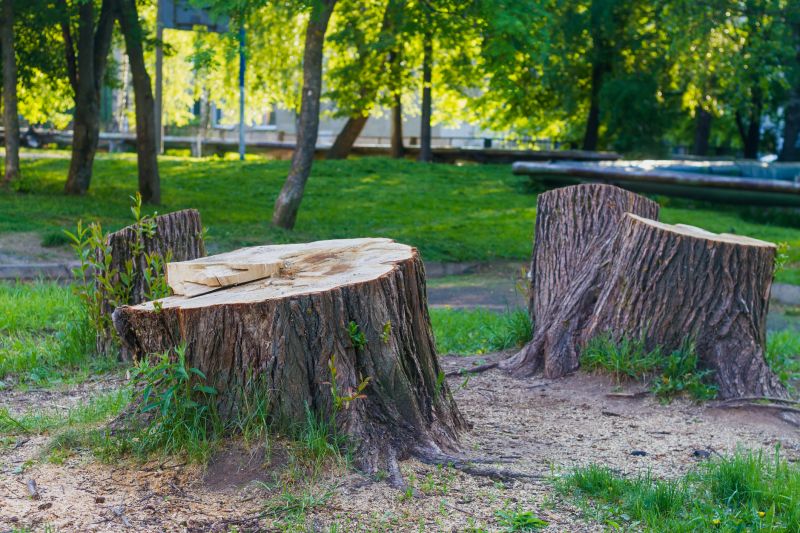

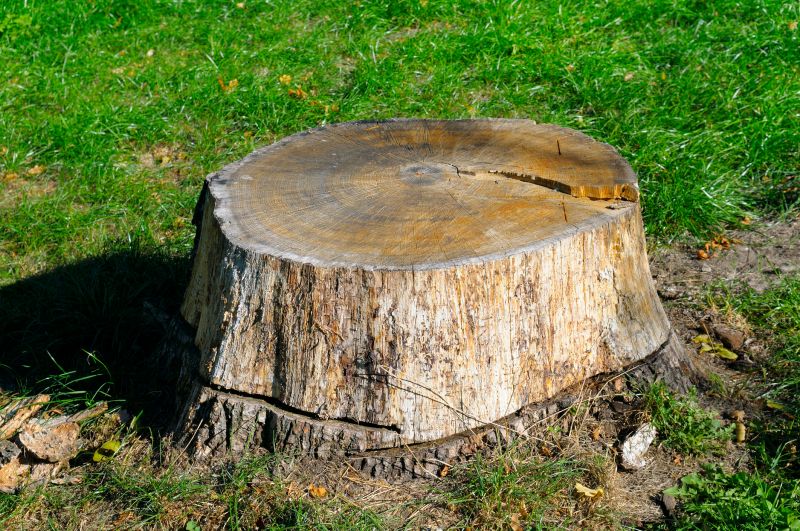
Tree Trunk Removal Questions
When is tree trunk removal necessary? Trunk removal is needed when a tree is dead, diseased, or poses a risk to property and safety.
How does trunk removal differ from complete tree removal? Trunk removal involves removing the main trunk while leaving the roots and branches intact, often for safety or clearance reasons.
What should property owners consider before trunk removal? It's important to assess the tree’s condition, location, and potential impact on surrounding structures before removal.
Are there any regulations or permits required for trunk removal? Local regulations may require permits for trunk removal, especially if it involves protected species or large trees.
Request Tree Trunk Removal in Calvert County, MD
Use the quote form on this page to share the basics of your project and request more information for the type of work you need.